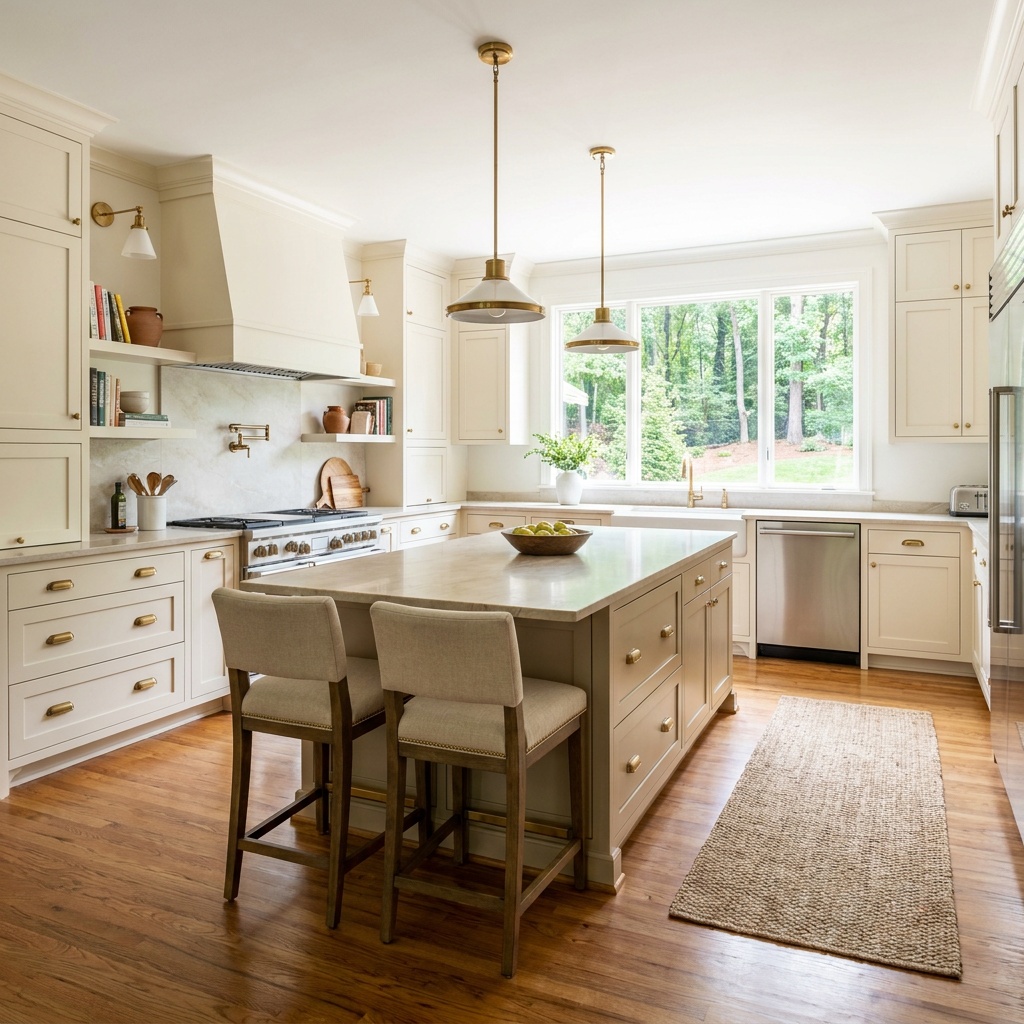
In Fulton, Forsyth and Gwinnett counties the dividing line is the same: cosmetic work needs no permit, and anything that touches structure, plumbing, electrical, mechanical or gas does. Paint, backsplash tile, new flooring, cabinet refacing, a countertop swap with the sink staying put and a like-for-like faucet or fixture change are all permit-free. Moving a sink or a range, adding circuits or recessed lighting, taking out a wall, running a gas line or building a tiled shower with a new pan all require a permit before work starts. The second thing to know is that your county is probably not your permit office. Alpharetta, Milton, Johns Creek, Roswell, Suwanee, Duluth and the City of Cumming each run their own building department, and the county offices handle unincorporated addresses only. Every permit issued in 2026 is also reviewed under Georgia’s new code cycle, which took effect on January 1.
Cosmetic Work Versus Code Work: Where the Line Falls
Building departments across North Atlanta draw this line in nearly the same place, because they are all enforcing the same state code. If the work stays on the surface, it is finish work. The moment you open a wall, add a circuit or move water, it becomes something an inspector needs to see before it is covered up.
Cabinets are the clearest illustration. Refacing existing boxes, or setting new cabinets in exactly the footprint of the old ones, is finish work. Redrawing the layout so the sink lands on the island is not, because the drain, the vent and the electrical move with it. The cabinets did not trigger the permit; the plumbing did.
| Project | Permit needed? | Why |
|---|---|---|
| Paint, wallpaper, backsplash tile | No | Surface finish only |
| New flooring over a sound subfloor | No | No structural or system change |
| Cabinet refacing or new doors on existing boxes | No | No structural or system change |
| New countertop, sink staying in place | No | Existing supply and drain are reconnected as they were |
| Like-for-like faucet, disposal or light fixture | No | Replacement in the same location |
| Layout change that moves the sink or range | Yes | Plumbing, gas or electrical relocation |
| Added circuits, recessed lighting or a panel upgrade | Yes | Electrical permit and rough inspection |
| Removing or relocating a wall | Yes | Structural review; assume yes unless the department says otherwise |
| Tub-to-shower conversion with a new pan | Yes | Plumbing and waterproofing inspection |
| Relocating a toilet or adding a second sink | Yes | New drain and vent work |
| New gas line for a range | Yes | Fuel gas permit and pressure test |
| Bath exhaust fan added or rerouted | Yes | Mechanical permit; the duct has to terminate outside |
A full kitchen or bathroom remodel lands on the right-hand side of that table almost every time. Assume permits are part of the job, and be curious about any remodeler who tells you otherwise.
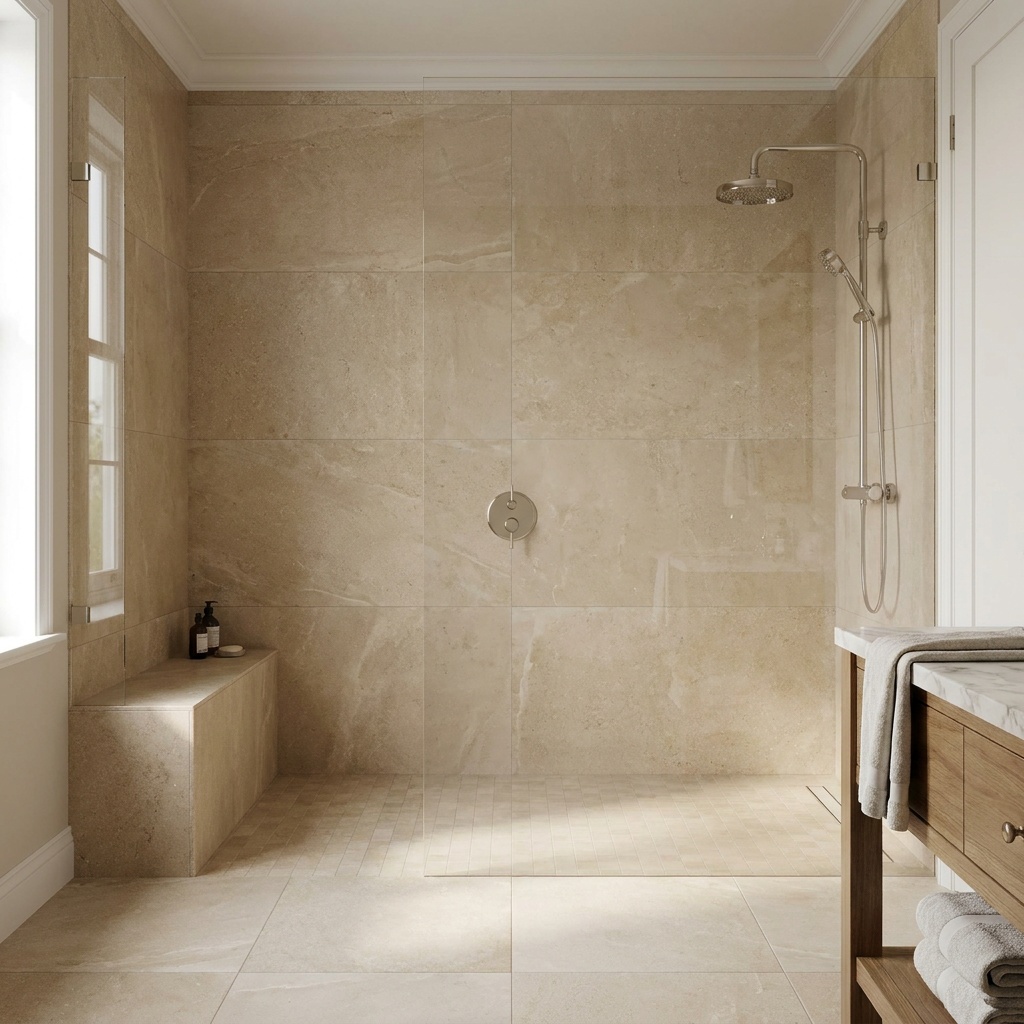
Your County Is Probably Not Your Permit Office
This is where most homeowners lose a week. North Atlanta is heavily incorporated, and an incorporated city issues its own building permits. Calling the county about a house inside city limits gets you a polite redirect.
| Where the house is | Who issues the permit | Building department line |
|---|---|---|
| Alpharetta | City of Alpharetta | 678-297-6070 |
| Milton | City of Milton, Community Development | 678-242-2545 |
| Johns Creek | City of Johns Creek, Community Development | City permitting portal |
| Roswell | City of Roswell, Building Division | City permitting hub |
| Unincorporated Fulton County | Fulton County Planning, Zoning and Permitting | County permitting office |
| Unincorporated Forsyth County | Forsyth County Building and Licensing | 770-781-2115 |
| City of Cumming | City of Cumming Planning and Zoning | City permitting office |
| Unincorporated Gwinnett County | Gwinnett County Planning and Development | 678-518-6020 |
| Suwanee | City of Suwanee | 770-945-8996 |
| Duluth | City of Duluth | 770-476-1790 |
The differences are practical. Alpharetta requires a main interior building permit plus separate trade permits for electrical, plumbing and mechanical work, with plans submitted through the city’s permitting portal and reviewed before anything is issued. Forsyth County wants complete floor plans documenting the total number of bedrooms on remodel projects, which surprises people whose work is nowhere near a bedroom. Gwinnett County permits renovations and repairs involving structural, plumbing, mechanical or electrical work, with the trades permitted separately.
Because the rules and portals differ, so does the paperwork rhythm from town to town, which is part of why our project pages are organized by city: Milton, Johns Creek, Roswell, Cumming, Suwanee and Duluth are each a separate permitting relationship, not one regional process.
What Changed on January 1, 2026
Georgia adopted a new set of state minimum standard codes that took effect at the start of this year. The residential cycle now runs on the 2024 International Residential Code with Georgia amendments, alongside the 2024 building, plumbing, mechanical and fuel gas codes with their own amendments, plus the 2026 Georgia amendments to the 2023 National Electrical Code.
For a homeowner the effect is indirect but worth knowing. Plans drawn to the previous cycle can come back from review with comments, and a remodeler who has not opened the current amendments will be learning them on your project. Ask which code cycle the plans were drawn to.
Who Pulls the Permit, and Why It Should Not Be You
Georgia’s State Licensing Board for Residential and General Contractors requires a state license for residential contracting work valued above $2,500 in combined labor and materials. State law also requires licensed residential contractors to offer a written warranty once the value of the work exceeds that same threshold. Any real kitchen or bathroom remodel clears $2,500 well before demolition ends, so the license is not optional here. That threshold is a licensing rule, not an estimate of your project, whose final price depends on your layout, materials, condition and scope.
The permit should then be pulled in the contractor’s name. Whoever holds it is the party the building department holds responsible for code compliance, for scheduling every inspection and for correcting anything the inspector flags. Some jurisdictions, Forsyth County among them, will let a homeowner take that on with a notarized self-work affidavit. That is sensible for a genuine do-it-yourself weekend and a poor trade on a full remodel, where you would be answering for work you did not perform.
A contractor who hesitates to pull permits in their own name is telling you something. Our guide to choosing a kitchen contractor in Georgia covers the rest of that conversation, including what an itemized proposal should show.
What Permits Cost
Permit fees are set by each jurisdiction and published in its fee schedule, and they are small next to the project itself. Alpharetta’s minimum building permit fee is $50, with electrical, plumbing and mechanical trade permits billed on top of it. Gwinnett County’s residential building permit minimum starts at $30, with anything above the minimum calculated from the valuation of the work and a certificate fee at completion. With the trades added, most North Atlanta kitchen and bath remodels land in the low hundreds of dollars in permit fees.
Treat those numbers as a reference point rather than a quote: fee schedules are set by each city and county and change on their own timetable, and your project’s final price depends on your kitchen’s layout, the materials you choose, the condition of what is behind the walls and the scope of the work. For how the rest of the budget breaks down, see what goes into a kitchen remodel in Alpharetta or a bathroom remodel in Alpharetta.
The Inspection Gates That Shape Your Schedule
A permit is not a single event. It sets up checkpoints, each a hard stop until the inspector signs off.
- Rough-in. Framing, electrical, plumbing and mechanical are inspected while everything is still open. Nothing gets insulated or covered in drywall until this passes.
- Shower pan test. On a tiled shower, the pan is plugged, filled with water and has to hold for the period the inspector requires before tile goes down.
- Final. The finished space is inspected before it is used, and jurisdictions that issue a certificate of completion close the permit here.
These gates are why a remodel calendar has dead days in it. Inspectors work in windows, not appointments, and a failed rough-in adds a correction and a re-inspection. Our bathroom remodel timeline shows where the gates fall week by week.
What Skipping the Permit Actually Costs
Unpermitted work rarely stays quiet. An active job can draw a stop-work order, and an inspector who arrives after the drywall is up can require finished surfaces to be opened so the work behind them can be seen. Years later, the same work resurfaces during due diligence when the house sells. If a loss ever traces back to electrical or plumbing that was never inspected, an insurance claim gets harder to argue. Set against the cost of opening a finished wall, a permit is one of the cheapest line items in the project.
Frequently Asked Questions
Do I need a permit to replace kitchen cabinets?
Not if the new cabinets go where the old ones went and nothing else moves. Setting boxes, hanging doors, refacing existing boxes and reconnecting a sink in its original spot are all treated as finish work. The permit appears the moment the layout changes: a sink that shifts to the island, a range that trades places with the refrigerator, a new run of under-cabinet outlets, or a wall that comes out to widen the room.
Does a bathroom remodel need a permit if nothing moves?
A surface-level refresh usually does not. Retiling a floor, replacing a vanity top, swapping a faucet or changing a light fixture in place stay on the cosmetic side. Most bathroom projects go further than that. Converting a tub to a tiled shower means a new pan and waterproofing, which building departments inspect. Adding or rerouting an exhaust fan is mechanical work, moving a toilet is drain and vent work, and adding a second sink is both. Any one of those pulls the project into permit territory.
Can I pull the permit myself as the homeowner?
In several North Atlanta jurisdictions you can. Forsyth County, for example, allows a homeowner to take responsibility for their own work with a notarized self-work affidavit. Whether you should is a different question. The permit holder is the party the department holds responsible for code compliance, for scheduling every inspection and for making any corrections an inspector calls out. On a full kitchen or bath remodel, that responsibility belongs with the licensed contractor doing the work, in the contractor’s name.
How long does it take to get a remodel permit?
It depends on whether your project needs plan review. Straightforward trade permits for electrical, plumbing or mechanical work are often issued quickly once the licensed trade applies. An interior remodel that requires drawings goes through a plan review before anything is issued, and comments from the reviewer can add a round trip. The practical move is to submit early, while cabinets and tile are still on order, so permitting runs alongside the lead times instead of after them.
What happens if work was done without a permit?
It tends to surface at the worst moment. A stop-work order halts an active job until the paperwork catches up, and an inspector may require finished surfaces to be opened so the work behind them can be seen. Later, unpermitted work turns up during due diligence when the house sells, and it complicates an insurance claim if a loss traces back to electrical or plumbing that was never inspected. Permitting after the fact is always more expensive than permitting first.
Not Sure Which Permits Your Project Needs?
Bring us the plan and we will tell you which permits apply, which department issues them and how they fit the schedule, in any North Atlanta city we serve. You can book a consultation or call 404-640-2361, and you can see the full range of what we do on our kitchen and bath remodeling page.